African Women in Healthcare Awards Shine a Spotlight on Leadership, Innovation and the Future of Medicine
On the evening of March 28, the Cresta Msasa Hotel in Harare became the centre of a powerful gathering that celebrated excellence while confronting long standing gaps in recognition within the healthcare sector. The African Women in Healthcare Awards brought together leaders, practitioners and advocates who continue to shape the medical landscape across the continent. The atmosphere carried both celebration and purpose, as attendees reflected on the progress made and the work still required to achieve equity. The event stood as a reminder that women are not only contributors to healthcare systems but key drivers of transformation. It also highlighted the importance of platforms that elevate voices often overlooked in mainstream narratives.
The presence of Women Affairs, Community, Small and Medium Enterprises Development deputy minister Kiven Mutimbanyoka added strong policy weight to the evening’s message. He emphasized the urgency of building inclusive systems grounded in education, respect, empowerment and equality. His remarks made it clear that government sees women led healthcare initiatives as central to national development and the broader Vision 2030 goals. By publicly affirming support, he reinforced the idea that sustainable progress requires alignment between public institutions and community driven efforts. His message encouraged continued investment in women’s leadership as a pathway to improving healthcare outcomes. This positioned the awards not just as recognition but as part of a wider socio economic strategy.
Fungai Tanhara, vice president of the African Healthcare Brands Institute, delivered a keynote that addressed both history and future direction. She spoke about the long period during which African women in medicine received limited recognition despite their contributions. Her address framed the awards as a turning point that seeks to correct that imbalance and rewrite the narrative. She highlighted how visibility can influence policy, inspire young professionals and shift perceptions across the continent. Her message focused on the link between women’s empowerment and stronger healthcare systems. This perspective reinforced the role of recognition in driving systemic change.
From a broader African perspective, pathologist and health advocate Ntokozo Mzimela shared insights drawn from more than two decades in the field. She described the shift in women’s roles from traditional caregiving to leadership in science, policy and innovation. Her reflections acknowledged that systemic barriers still exist, but she stressed that these challenges have strengthened resilience and determination. She highlighted the importance of women creating solutions that directly respond to the needs of their communities. Her message showed that progress in healthcare requires both technical expertise and social awareness. It also reinforced the idea that women are shaping the future of medicine through both leadership and innovation.
One of the most memorable moments of the evening came from neurosurgeon and global health advocate Nozipo Maraire, whose address combined personal experience with a broader message of perseverance. She spoke about forging new paths in spaces where representation was limited, emphasizing the importance of authenticity and courage. Her words resonated with many in the room, particularly those navigating similar challenges in their careers. Her recognition at the event highlighted the value of acknowledging pioneers who have opened doors for others. Her story served as both inspiration and a practical example of what is possible when barriers are challenged. It also reinforced the need for continued support for women entering specialized fields.
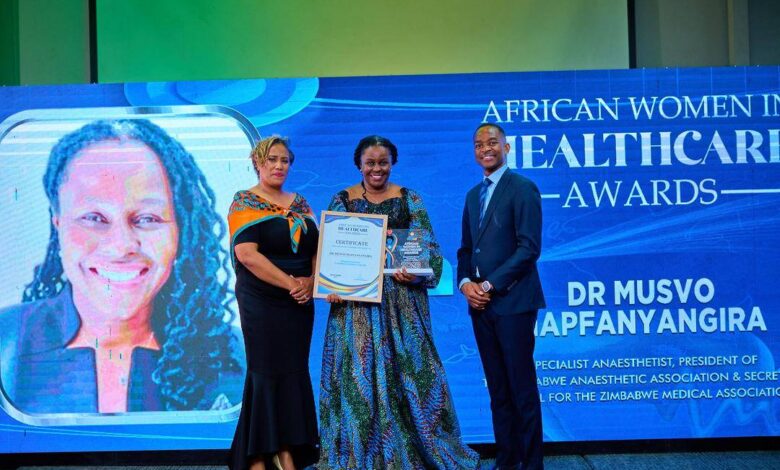
The awards ceremony honored 39 women across a wide range of healthcare disciplines, reflecting the diversity and depth of talent across the continent. Categories included surgery, dentistry, mental health, nutrition and community health leadership, showing the broad impact women have across the sector. Among those recognized were Mejury Chipato for health entrepreneurship, Fortunate Matinatsa Mudede Moffat for orthopaedic excellence and Susan Mushunje for dentistry and mentorship. Additional honorees such as Gamuchirai Chinamasa and Quinn Sowa were acknowledged for their contributions to mental health advocacy and healthcare innovation. The second group included leaders like Ntokozo Mzimela, Precious Mutambanengwe and Caroline Muvingi, along with emerging professionals who represent the next generation. This wide recognition demonstrated that excellence in healthcare takes many forms and exists at every level of experience.
Events like the African Women in Healthcare Awards play a critical role in shaping both culture and policy within the medical field. They provide visibility for achievements that might otherwise remain unnoticed and create a space for shared learning and collaboration. By celebrating success, they also challenge institutions to maintain fairness and inclusivity beyond symbolic gestures. The involvement of sponsors such as Old Mutual, Geronimo Consultancy and Winfield Business School showed that the private sector also recognizes the value of supporting such initiatives. The evening’s program, which included formal recognition and networking opportunities, created a platform for ongoing partnerships. This combination of recognition and collaboration helps strengthen the overall healthcare ecosystem.
The African Women in Healthcare Awards delivered more than a night of celebration, as they reinforced a clear message about the future of healthcare on the continent. Women are leading change across disciplines, driving innovation and improving outcomes in communities that need it most. The event highlighted the importance of continued investment in women’s leadership, both from government and private sector stakeholders. It also showed that recognition can inspire action, encouraging more young women to pursue careers in healthcare and leadership. As the continent works toward stronger and more inclusive systems, initiatives like these will remain essential. The evening closed with a sense of momentum, pointing toward a future where women’s contributions are fully recognized and supported at every level.