Ekhaya Festival Returns with a Powerful Blend of Gospel, Culture and Talent Development in Bulawayo
Ekhaya Festival returns next month with a stronger presence on Zimbabwe’s gospel and cultural events calendar. The festival continues to grow into a major annual gathering that blends celebration, talent development and cultural pride into one experience. This year’s edition places emphasis on unity, worship and opportunity for both established and emerging artistes. Organisers have positioned the event as more than entertainment, focusing instead on long-term impact within communities. The return of the festival has created anticipation across Bulawayo and beyond as audiences prepare for a large-scale cultural and spiritual experience.
The festival has steadily built a reputation as a platform that uplifts communities while strengthening Bulawayo’s identity as a key cultural city. It provides a space where gospel music meets development and where young performers gain visibility alongside established names. Over the years, it has grown into a trusted event that attracts diverse audiences from different backgrounds. The consistent growth reflects strong community support and a clear vision from organisers. This year’s edition continues that trajectory with a stronger focus on inclusivity and cultural expression.
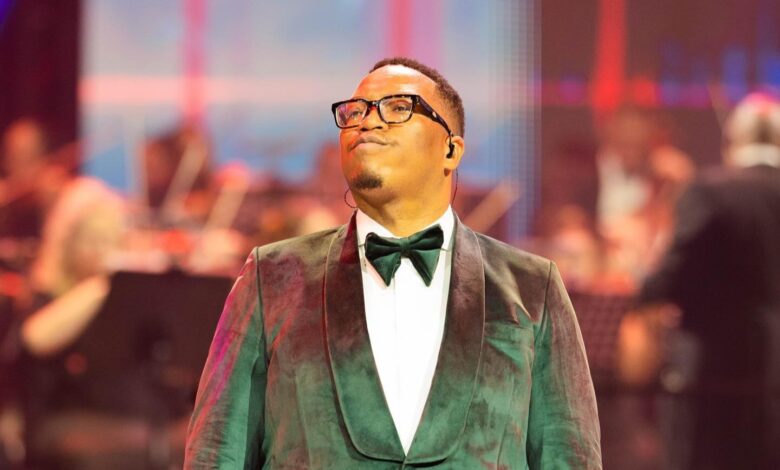
At the centre of this year’s festival is the homecoming of award-winning gospel artist Everton Mlalazi, who will also serve as host. His return to Bulawayo adds emotional depth and star power to the event. For many fans, his presence represents success returning to its roots. The festival name “Ekhaya”, meaning “home” in isiNdebele and isiZulu, reinforces this message of belonging and identity. The connection between artist and theme strengthens the symbolic value of the gathering.
Mlalazi has spoken openly about what returning home means to him. He describes Bulawayo as the foundation of his journey and a place that shaped his early growth. His connection to the city adds personal meaning to his role in the festival. He sees Ekhaya Festival as more than a performance platform and more like a spiritual and cultural homecoming. His involvement continues to attract attention and deepen public interest in the event.
A major highlight of this year’s edition is the strong focus on emerging talent. Organisers have made a deliberate decision to include new voices alongside well-known performers. This approach aims to support growth in the gospel music sector while giving young artistes meaningful exposure. The line-up includes Mwenda Shimuzhila, Tehillah Testament, Minister Herman, Vusa Mangena, Conqueror, Vocal Base, Pastor Barak Family, Dunamis Men and Reality 7. These performers will share the stage with established acts such as Caanan Nyathi, Oncemore Six, Loveness Mukutirwa, Mai Mwamuka, Lorraine Maplanka, Takesure Zamar, Zimpraise Choir, Blessing Jeduthun and Dumi Mkokstad among others.
Mlalazi has emphasised that talent development is central to the festival’s vision. He has highlighted the importance of creating platforms that allow young artistes to be seen and heard. According to him, every established musician once needed an opportunity to be discovered. He believes Ekhaya Festival can serve as that bridge for the next generation. This approach reflects a broader effort to strengthen the future of gospel music in Zimbabwe.
Industry observers have noted that this model benefits both performers and audiences. New artistes gain confidence and exposure while audiences experience fresh sounds and styles. It also ensures the industry continues to evolve rather than rely only on established names. The inclusion of diverse talent adds energy and variety to the programme. This balance strengthens the festival’s role as both a cultural and developmental platform.
Preparations for the event are already at an advanced stage according to organisers. Planning has focused on delivering high-quality production across all areas including sound, staging, safety and hospitality. Attention to detail remains a priority as organisers aim to create a seamless experience for attendees. The goal is to deliver more than a concert and instead offer a full experience for families and worshippers. Expectations are high as the festival continues to scale up its standards each year.
Another key feature of this year’s festival is the cultural exchange between Zimbabwean and South African performers. The event is expected to showcase shared African heritage through music, language and traditional expression. Cultural diversity will be reflected through performances that highlight Ndebele, Shona, Kalanga and Tonga identities. South African influences will also feature strongly, creating a blended showcase of regional unity. This cultural mix adds depth to the festival’s message of togetherness.
Mlalazi believes that culture and faith should complement each other. He sees value in preserving traditions while also embracing spiritual expression. According to him, culture gives identity while faith provides direction. When both elements come together, they create a powerful experience that resonates with audiences. This philosophy continues to shape the direction of Ekhaya Festival.
Beyond entertainment, the festival is also expected to generate economic activity in Bulawayo. Increased tourism, transport usage, food vending and accommodation bookings are all part of the wider impact. Large events like Ekhaya demonstrate how cultural gatherings can support local economies. Businesses benefit from the influx of visitors while the city gains visibility as an event destination. This adds another layer of importance to the festival’s role in the region.
For Bulawayo, Ekhaya Festival reinforces its status as a key hub for arts and culture in Zimbabwe. The city continues to host major events that attract national and regional attention. The festival strengthens that reputation by combining cultural pride with large-scale organisation. It also creates opportunities for local creatives to participate in a growing industry. This continued growth positions Bulawayo as a central player in Zimbabwe’s cultural landscape.
Mlalazi captured the spirit of the festival by describing it as a return to belonging. He emphasised that attending Ekhaya is not just about watching performances but about reconnecting with home. That message resonates strongly with audiences who view the festival as more than entertainment. It represents identity, unity and shared experience. As anticipation builds, this year’s Ekhaya Festival is set to deliver one of its most meaningful and impactful editions yet.