High Court Reinstates Asset Freeze Against Wicknell Chivayo in Ongoing Cross-Border Divorce Battle
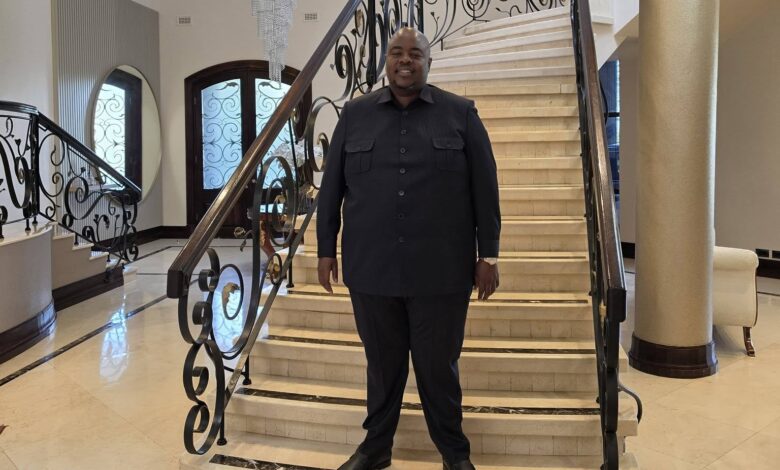
A South African High Court has reinstated an asset freeze against fraud-convicted businessman Wicknell Chivayo, reviving strict restrictions on his bank accounts and high-value assets. The decision forms part of a wider cross-border divorce dispute involving his estranged wife, Louise Sonja Madzikanda. The ruling brings renewed legal pressure on Chivayo as courts in both South Africa and Zimbabwe continue to examine control over significant financial holdings. The order effectively restores an earlier interim directive that had temporarily lapsed. It now places renewed limits on how the businessman and related entities can manage or move certain assets.
The order was issued by the Gauteng Division of the High Court in Pretoria on 23 April 2026. It reinstates an anti-dissipation ruling that was first granted on 20 January but had since fallen away. By restoring the order, the court has reintroduced strict controls over selected assets while the legal dispute continues. The judgment reflects judicial concern that disputed assets could be transferred or hidden before the case is resolved. The reinstated order ensures that the status of the assets remains unchanged until further court direction.
The scope of the ruling includes high-value movable assets, most notably a Bombardier Challenger 300 private jet. The court also extended restrictions to bank accounts and other financial holdings linked to Chivayo. Justice Teffo delivered the ruling, stating that neither Chivayo nor associated entities may access, transfer or dispose of the listed assets. This prevents any financial movement that could affect the value or availability of the estate under dispute. The restrictions remain in place while the court determines the final outcome of the case.
The application for the asset freeze covers a wide network of financial institutions and companies connected to Chivayo. Several major South African banks and corporate entities have been included in the order. The intention is to prevent any potential dissipation of assets during ongoing proceedings. The court’s concern centres on preserving the integrity of the estate while both parties present their cases. This approach ensures that disputed wealth remains secure until legal clarity is reached.
At the centre of the dispute is a substantial estate that forms part of parallel divorce proceedings taking place in Zimbabwe. Both jurisdictions are now playing a role in determining how the assets will be managed and divided. The cross-border nature of the case adds complexity, as legal systems in both countries must coordinate on enforcement and jurisdictional matters. The dispute has drawn attention due to the scale of assets involved and the high-profile nature of the individuals concerned. It also highlights the challenges of managing financial disputes that span multiple countries.
The court has set 15 June as the next key date in the proceedings. On that day, Chivayo is expected to present arguments against making the temporary order permanent. His legal team will need to convince the court that continued restrictions are not justified. If he fails to do so, the interim order may be confirmed as a permanent directive. This upcoming hearing is expected to play a decisive role in shaping the direction of the case.
The reinstated freeze represents a significant legal development in the ongoing dispute. It signals the court’s intention to maintain control over contested assets while the matter is fully resolved. For Chivayo, the ruling adds further legal and financial constraints during an already complex divorce process. For the court, the priority remains protecting assets from possible dissipation until a final judgment is reached. The decision underscores the seriousness with which courts treat high-value financial disputes, especially those involving cross-border elements.
As proceedings continue, both parties remain bound by strict legal conditions governing the estate. The case continues to attract attention due to the scale of assets involved and the legal implications across two jurisdictions. The outcome of the June hearing will determine whether the restrictions remain temporary or become fully enforced. Until then, the asset freeze stands as a central feature of the ongoing legal battle.