The 2026 Europe Day Celebrations in Zimbabwe Highlight Strong EU Zimbabwe Cooperation and Cultural Unity
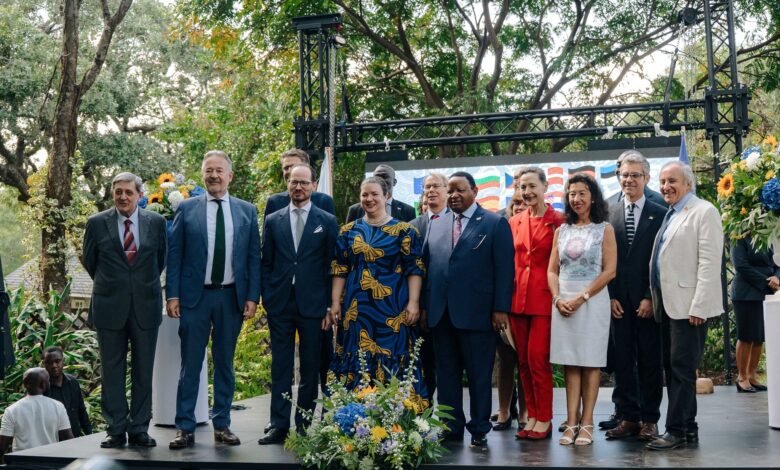
The 2026 Europe Day celebrations in Zimbabwe took place on Friday last week at the European Union residency in Chisipite and brought together diplomats, government officials and cultural enthusiasts in a shared moment of reflection and celebration. The event marked the European Union’s founding ideals under the theme United in Diversity, which emphasises cooperation across different nations and cultures. It created a platform for dialogue on partnership, development and cultural exchange between Zimbabwe and Europe. Guests engaged in discussions and cultural experiences that highlighted the importance of international cooperation in a changing global environment. The atmosphere reflected both formality and celebration as participants acknowledged long standing diplomatic ties.
The event featured a European Village that showcased culinary, artistic and cultural displays from countries including Spain, Sweden, Italy, Germany, the Netherlands, Denmark and Portugal. Each display offered a glimpse into national traditions, food culture and creative expression, giving guests a broad sense of Europe’s cultural diversity. Visitors moved through exhibits that combined food tasting, visual arts and cultural presentations that represented each participating country. The setup encouraged interaction between exhibitors and attendees, making the experience both educational and engaging. This cultural showcase reinforced the message that diversity can be a source of unity when shared in a respectful environment.
Acting Minister of Foreign Affairs and International Trade Frederick Shava, a politician, together with European Union ambassador to Zimbabwe Katrin Hagemann, officiated at the event. Shava praised the long standing partnership between Zimbabwe and the European Union and highlighted its role in supporting national development priorities. He stated that the event reflects ideals of peace, unity, integration and democratic cooperation that continue to shape the European project. He further emphasised Zimbabwe’s appreciation of EU support in areas such as women’s empowerment, climate change mitigation, institutional strengthening and socio economic transformation. Shava also noted Zimbabwe’s commitment to deepening cooperation through the Economic Partnership Agreement aimed at improving trade and investment relations.
EU ambassador Katrin Hagemann, a diplomat, focused her remarks on Europe’s historical journey from conflict to cooperation and unity. She stated that unity draws strength from diversity and is sustained through mutual respect among nations. Hagemann explained that Europe Day carries a universal message that peace is achievable and that cooperation is more effective than confrontation. She also connected global stability to regional contexts, highlighting EU involvement in supporting peace efforts in areas such as Ukraine, the Middle East, Sudan and the Democratic Republic of Congo. Her remarks reinforced the idea that international partnerships play a key role in promoting stability and development across continents.
Cultural performances added a vibrant dimension to the celebrations, with highlights including a jazz saxophone solo by Tino Mananga, a musician known for his expressive style. The Zimspiration Choral Group delivered renditions of both the Zimbabwean and European Union anthems, creating a symbolic moment of unity through music. A notable performance came from EU Green Ambassador Mary Anibal, a cultural figure, who collaborated with Ambassador Hagemann to perform the song Gogoride. The collaboration was received as a strong symbol of cultural exchange and growing artistic connections between Zimbabwe and Europe. Guests described the performances as a reminder of how music can bridge cultural and diplomatic divides.
The event also provided space for discussion on economic cooperation and development partnerships. Officials highlighted recent global trade developments, including China’s Zero Tariff policy for African countries, which was noted as a factor that could influence investment flows and export opportunities. They discussed how such global shifts may complement existing frameworks such as the Belt and Road Initiative and regional trade agreements. Local organisations including Bioinnovation Zimbabwe and Zim Agriculture Trust presented EU funded rural development initiatives aimed at improving agricultural productivity and sustainability. These exhibitions demonstrated practical outcomes of development cooperation at community level.
The 2026 Europe Day celebrations in Zimbabwe ultimately reinforced the importance of global solidarity, cultural exchange and international collaboration in advancing peace and prosperity. The event demonstrated how diplomatic engagement can extend beyond formal discussions into cultural and economic cooperation that benefits communities. It also highlighted Zimbabwe’s ongoing efforts to strengthen international partnerships that support national development goals. The presence of government officials, diplomats and cultural practitioners reflected a shared commitment to building stronger ties between Zimbabwe and the European Union. The celebration closed on a note of mutual respect and continued cooperation between the participating nations.