Zimbabwe Celebrates 2025 Year of Film Milestone With Launch of No Where Girl, Homecoming and Kukomba
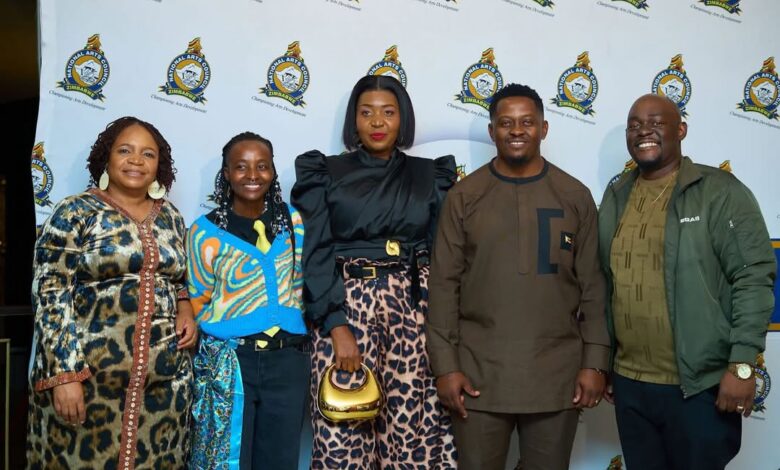
Zimbabwe’s creative sector marked a major milestone last week as the ambitions of the 2025 Year of Film were brought to life through the official launch of three locally produced short films, No Where Girl, Homecoming and Kukomba. The showcase took place at Magic Cinema in Sam Levy Shopping Centre and drew a near-capacity audience made up of filmmakers, cultural leaders, government representatives and arts supporters. The event highlighted the strengthening relationship between public institutions, funders and the film community in building a sustainable creative economy. It also reinforced the role of cinema as a tool for storytelling, cultural preservation and national identity. The launch was widely seen as a defining moment for Zimbabwean film development.
The production of the three films was supported by a US$6 000 grant from the National Arts Council of Zimbabwe, facilitated through the Lotteries and Gaming Board, which has since increased its contribution to US$10 000 for 2026. This funding boost signals growing institutional confidence in the country’s film industry and its potential for long term economic and cultural impact. The initiative reflects a structured effort to support filmmakers who are telling stories rooted in Zimbabwean life while addressing modern social realities. Each of the films demonstrates a different approach to storytelling while sharing a common focus on identity, community and lived experience. The funding model also highlights the importance of partnerships in sustaining creative industries.
Representatives from the Lotteries and Gaming Board addressed attendees and emphasised the wider role of film in shaping society. They noted that filmmaking extends beyond entertainment and plays a significant role in education, cultural documentation and value formation. They also highlighted how creative work contributes to unity and helps communities imagine future possibilities. Their remarks reinforced the idea that investment in film is not only a financial decision but also a cultural responsibility. This perspective reflects a growing recognition of the arts as a key pillar in national development.
One of the standout productions, No Where Girl, was produced by Jonathan “Dyrekta O” Samkange, who shared the personal inspiration behind the story. He explained that the idea emerged after encountering a young girl in distress, an experience that shaped the emotional foundation of the film. The production has already had a real world impact, including efforts that have supported the girl’s continued education beyond the initial scope of funding. The film also featured non professional actors, demonstrating how community participation can bring authenticity to storytelling. This approach highlights how cinema can directly engage with and support real life situations.
Another featured film, Kukomba, directed by Tatenda Hove, explored cultural identity and womanhood through the lens of traditional coming of age practices. The film focuses on the emotional and psychological experiences of women as they navigate cultural expectations and personal empowerment. It presents tradition not as a static concept but as a living experience shaped by individual voices and emotions. The director explained that the goal was to reflect both heritage and personal growth in a way that resonates with modern audiences. This perspective adds depth to conversations about culture and gender in Zimbabwean society.
Homecoming, written and directed by Bridget Paradza, offered a different narrative approach by focusing on an overlooked perspective within a dramatic storyline. The film follows the viewpoint of a valet who witnesses a significant accident, allowing the story to unfold through an unconventional lens. Paradza explained that this creative choice allowed her to explore hidden layers of truth while maintaining cultural authenticity. She also acknowledged the collaborative effort of her cast and crew in bringing the project to life. The film demonstrates how innovative storytelling can expand the boundaries of local cinema.
The event also featured a panel discussion moderated by National Arts Council of Zimbabwe board chair Nosipo Maraire, with contributions from professionals including ophthalmologist and philanthropist Solomon Guramatunhu, actor and producer Munya Chidzonga, and fund manager Rudo Nyangulu Ngofa. The discussion focused on the economic and cultural frameworks required to sustain Zimbabwe’s growing film industry. Topics included funding structures, audience development and the importance of building long term creative infrastructure. Participants emphasised that film is both an artistic and economic asset with the potential to generate employment and cultural value. The conversation reinforced the need for continued collaboration between stakeholders.
The presence of representatives from the Ministry of Sports, Recreation, Arts and Culture further highlighted government interest in strengthening the creative sector. Officials recognised the progress made under the 2025 Year of Film initiative and acknowledged the leadership role played by the National Arts Council of Zimbabwe under chief executive officer Napoleon Nyanhi. His efforts in mobilising funding partners such as lotteries and gaming boards were credited with helping to strengthen the local film ecosystem. The increase in funding for 2026 was viewed as a positive indicator of sustained growth and future opportunity for filmmakers across the country. This support reflects a broader commitment to expanding Zimbabwe’s cultural industries.
The launch of No Where Girl, Homecoming and Kukomba represents more than a celebration of individual films. It signals the continued development of Zimbabwe’s film industry as a space for cultural expression, social reflection and economic opportunity. The success of the event demonstrates the value of structured funding, institutional partnerships and community engagement in building a strong creative sector. It also shows how local storytelling can connect deeply with audiences while addressing meaningful issues. The 2025 Year of Film has therefore set a foundation for continued growth, positioning Zimbabwean cinema for a stronger and more visible future.