Enisia Mashusha Uses Creativity to Promote Mental Wellbeing Through Mambokadzi Wellness in the UK
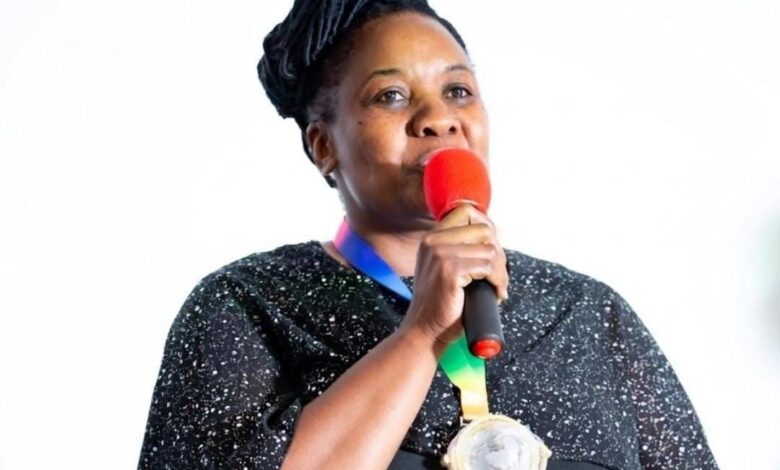
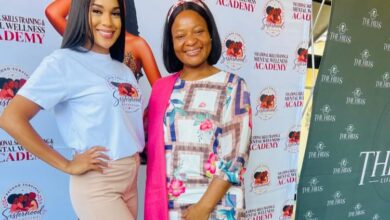
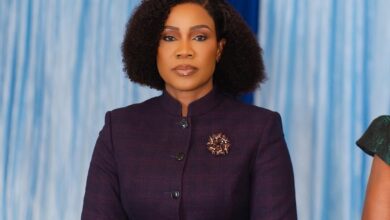
United Kingdom-based theatre practitioner, counsellor and social worker Enisia Mashusha is using creativity to promote mental wellbeing and help people overcome loneliness and social isolation through her initiative, Mambokadzi Wellness. Based in Leeds, the programme brings people together through storytelling, creative writing, dance, music, African drumming, group discussions and confidence-building activities. It aims to create welcoming spaces where participants can express their emotions, build meaningful relationships and develop a stronger sense of belonging. Drawing on her experience in theatre, counselling and social work, Mashusha combines artistic expression with interactive activities to support people experiencing emotional distress or struggling to connect with others. Her work reflects a growing recognition of the role community engagement and creative activities can play in supporting emotional wellbeing and helping people feel less alone.
Mambokadzi Wellness is built around the belief that people need safe environments where they can express themselves without fear of judgment. Mashusha explained that the initiative focuses on helping individuals feel seen, heard and connected while giving them the freedom to communicate through different forms of creativity. “For us, Mambokadzi Wellness is about creating safe spaces where people can feel seen, heard, connected and free to express themselves,” she said. Rather than relying only on formal discussions, the programme encourages participants to engage through activities that suit their interests, abilities and comfort levels. Someone who finds it difficult to talk openly about personal experiences may feel more comfortable expressing themselves through movement, music or storytelling. These activities can help create opportunities for communication and connection in a supportive community setting.
Mashusha believes that meaningful personal change often begins with small steps rather than dramatic experiences. She has observed participants who initially arrive feeling quiet or isolated gradually become more involved in group activities, share their experiences and interact with others. “Transformation does not happen through one dramatic moment,” she explained, noting that progress can begin when someone gains the confidence to speak, takes part in an activity or realises that other people may share similar feelings. This approach recognises that everyone responds differently to social situations and emotional challenges. For some participants, joining a group discussion may represent an important step, while others may begin by listening or taking part in a creative exercise. By allowing people to participate at their own pace, Mambokadzi Wellness seeks to make connection more accessible to individuals who might otherwise struggle to engage with community activities.
The programme draws heavily on Mashusha’s professional background and experience in the performing arts. Before relocating to the United Kingdom, she worked as a theatre practitioner and director in Zimbabwe, taking part in several local dramas and plays. She also became known through her involvement with Mambokadzi, an all-female dance group that rose to prominence around the turn of the millennium. Her experience in theatre and dance has given her practical knowledge of how performance, movement and storytelling can bring people together and create opportunities for self-expression. Combined with her work as a counsellor and social worker, this artistic experience has helped shape the activities offered through Mambokadzi Wellness. The initiative brings these areas of expertise together to create a programme that considers both emotional needs and the value of shared creative experiences.
Mambokadzi Wellness uses different approaches depending on the needs of each group. Mashusha explained that a session may begin with a conversation about loneliness, confidence or emotional wellbeing before moving into storytelling, music, movement or African drumming. These activities provide different ways for participants to explore feelings and interact with others. Group discussions can help people recognise shared experiences, while creative writing and storytelling may offer opportunities to communicate thoughts that are difficult to express in ordinary conversation. Dance and music can encourage participation without requiring everyone to speak about personal matters directly. By combining these methods, the programme aims to create a flexible environment where people can take part in ways that feel comfortable and meaningful to them.
One of the main concerns addressed by Mambokadzi Wellness is social isolation, which can affect people at different stages of life. Mashusha said loneliness and emotional wellbeing deserved greater attention, particularly because people can experience isolation even when they are surrounded by others. Young people may struggle to develop confidence or find opportunities to express themselves, while older adults may experience reduced social contact and a weakening sense of connection. These challenges can be difficult to identify because loneliness is not always visible to friends, relatives or members of the wider community. Providing welcoming spaces where people can meet regularly may help create opportunities for interaction and mutual support. Through its creative workshops, Mambokadzi Wellness seeks to encourage these connections while giving participants opportunities to explore their interests and develop confidence.
Mashusha also believes mental wellbeing should be approached holistically rather than through formal conversations alone. While talking can be valuable, some people may benefit from activities that allow them to move, create, listen or spend time with others without feeling pressured to explain their emotions. “Sometimes people need more than a formal conversation,” she said, highlighting the role of creative experiences in supporting expression and connection. Art, music, movement and storytelling can offer alternative ways to communicate and reflect on personal experiences. These activities do not replace professional mental health care when it is needed, but they can form part of a wider approach to community wellbeing. By creating opportunities for participation and social interaction, the initiative aims to help people develop a stronger sense of belonging and self-worth.
The programme is designed to welcome people from different backgrounds and age groups, reflecting Mashusha’s belief that loneliness and emotional challenges can affect anyone. She said Mambokadzi Wellness had attracted interest from community members, women, young people and individuals seeking opportunities to connect with others. The initiative also hopes to reach communities where limited social networks or a lack of creative opportunities make participation more difficult. An inclusive approach is important because people have different cultural experiences, personal circumstances and ways of expressing themselves. Activities that encourage collaboration can help participants discover shared interests while respecting individual differences. Through this approach, Mambokadzi Wellness aims to make creative wellbeing activities accessible to a broad range of people rather than limiting them to a particular group.
The response to the initiative has encouraged Mashusha to consider expanding its reach beyond Leeds and other parts of the United Kingdom. Following a well-attended programme in Swarcliffe, Leeds, she received an invitation to conduct another session in Scotland. The invitation represents an opportunity to introduce the programme to a new community and explore how its creative activities can support people in different settings. Mashusha also said the initiative had attracted followers and supporters from various parts of the world who connected with its emphasis on creativity, storytelling and community relationships. Although the programme’s activities take place in specific communities, its central themes address experiences that can occur across different countries and cultures. Loneliness, confidence, self-worth and the need for meaningful human connection are not confined to one location.
Mashusha’s Zimbabwean background also provides an important part of the cultural identity behind her work. Her experience as a theatre practitioner, director and member of an all-female dance group connects her current initiative with a longer history of using performance and creative expression to bring people together. African drumming, dance and storytelling offer ways to incorporate cultural traditions into activities designed for community participation. These practices can help people explore identity, share experiences and build connections through familiar forms of expression. At the same time, the programme’s inclusive approach allows people from different backgrounds to participate without needing the same cultural or artistic experience. This combination of artistic practice and community support gives Mambokadzi Wellness a distinctive approach to promoting emotional wellbeing.
The initiative also highlights the potential value of partnerships between creative practitioners and community organisations working to address loneliness and emotional distress. Theatre practitioners bring skills in storytelling, movement and group participation, while counselling and social work experience can help inform a more sensitive understanding of people’s needs. When these areas work together, creative programmes can offer supportive environments where participants feel encouraged to engage at their own pace. However, the needs of individuals vary, and community workshops cannot address every mental health concern on their own. People experiencing persistent or severe emotional distress may still require appropriate professional support. Mashusha’s work places creative engagement alongside the broader need for accessible, compassionate approaches to wellbeing, with an emphasis on helping people feel connected rather than isolated.
Enisia Mashusha’s Mambokadzi Wellness initiative demonstrates how creativity can provide opportunities for people to connect, express themselves and strengthen their sense of belonging. Through storytelling, creative writing, dance, music, African drumming and group discussions, the programme seeks to address loneliness and emotional wellbeing in communities around Leeds and beyond. Mashusha’s combined experience in theatre, counselling and social work informs an approach that values participation, confidence and human connection. The invitation to conduct a session in Scotland following the programme in Swarcliffe suggests that interest in the initiative is extending beyond its initial community. As she explores opportunities to expand its reach, her central message remains that people should have welcoming spaces where they can share experiences and build relationships. By bringing creative expression and community engagement together, Mambokadzi Wellness aims to make wellbeing support more accessible and remind people that they do not have to face isolation alone.