Empowering Women Through Vocational Skills Training and Mental Wellness in Zimbabwe
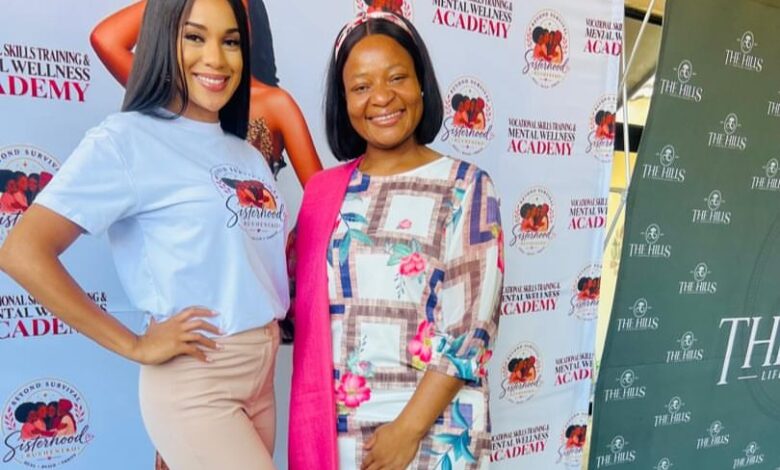
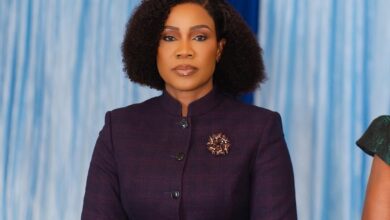
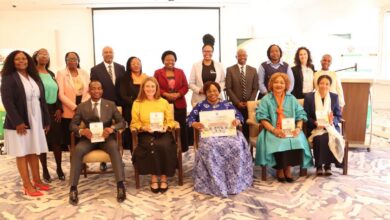
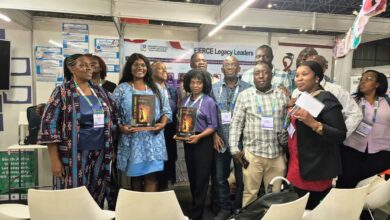
Empowering women means investing in their skills, confidence and mental wellbeing. In Zimbabwe, initiatives that combine vocational skills training with mental health support are creating opportunities for women to build better futures while learning how to navigate personal and professional challenges. The Vocational Skills Training and Mental Wellness Academy, an initiative by Miss Universe Zimbabwe 2026 Roseanna Hall, reflects this approach by recognising that women need more than practical knowledge to thrive. They also need supportive environments where they can discuss their challenges, access guidance and feel valued. Through this initiative, women are encouraged to develop skills that can improve their livelihoods while strengthening their emotional wellbeing.
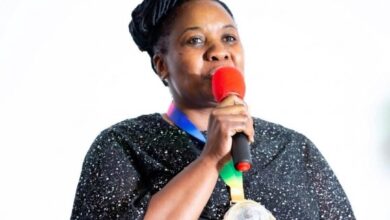
Friendship Bench Zimbabwe was honoured to participate in the academy session, where its Programs Manager, Charmaine Chitiyo, spoke about the importance of good mental health. Her contribution highlighted the need to recognise the person behind every ambition, challenge and new beginning. Women pursuing education, employment or business opportunities often face pressures that remain hidden from the people around them. These pressures can affect their confidence, relationships, decision-making and ability to reach their goals. By bringing mental wellness into conversations about empowerment, the session helped emphasise that personal development must include both practical skills and emotional support.
Vocational skills training plays an important role in helping women become more economically independent. Learning practical skills can open doors to employment, entrepreneurship and new sources of income. For women who face limited opportunities, access to relevant training can provide a foundation for greater financial stability and personal confidence. However, the journey towards economic independence may also involve financial pressure, family responsibilities, uncertainty and fear of failure. Combining vocational training with mental health awareness can help women prepare for these challenges while building the resilience needed to pursue their ambitions.
Mental wellness is an essential part of sustainable empowerment because it affects how people respond to everyday difficulties and major life changes. Women may experience stress while balancing work, caregiving, education and household responsibilities. Some may also face social expectations that make it difficult to speak openly about emotional struggles or ask for help. When these experiences go unaddressed, they can make it harder to concentrate, maintain relationships or take advantage of new opportunities. Creating safe spaces where women can speak freely, feel heard and receive appropriate support helps challenge stigma and encourages healthier approaches to mental health.
Charmaine Chitiyo’s contribution to the academy reinforced the importance of treating mental health as a shared responsibility rather than an issue individuals must manage alone. Supportive conversations can help people recognise their emotions, understand their challenges and consider practical ways to cope. They can also remind women that seeking support is not a sign of weakness and that their wellbeing matters as much as their achievements. When organisations include mental wellness in their empowerment programmes, they help create an environment where participants can learn without feeling that they must hide their struggles. This approach makes empowerment more personal, inclusive and responsive to the realities women face.
The collaboration between Miss Universe Zimbabwe 2026 Roseanna Hall’s initiative and Friendship Bench Zimbabwe also highlights the value of bringing different forms of support together. Vocational education can strengthen a woman’s ability to earn a living, while mental health awareness can help her manage the pressures that come with pursuing a better future. Neither element should be treated as separate from the other. Practical skills may create opportunities, but women also benefit from confidence, emotional support and access to resources that help them make use of those opportunities. Programmes that consider these connected needs can contribute to stronger individuals, healthier families and more resilient communities.
Women’s empowerment also has benefits that extend beyond the individual. When women gain practical skills and greater economic independence, they may be better positioned to support their families, contribute to workplaces and participate in community development. When their mental wellbeing is also supported, they can be better equipped to manage responsibilities, maintain relationships and make informed decisions about their futures. Communities benefit when women have opportunities to learn, grow and seek help without fear of judgement. Investing in women therefore means recognising their abilities while also respecting their emotional needs and personal circumstances.
The Vocational Skills Training and Mental Wellness Academy sends an important message about the future of women’s development in Zimbabwe. Empowerment should not be measured only by the number of people trained or the skills they acquire, but also by whether they feel supported as they put those skills into practice. Initiatives that combine practical learning with open conversations about mental health can help women approach new opportunities with greater confidence and resilience. The participation of Friendship Bench Zimbabwe, represented by Programs Manager Charmaine Chitiyo, underscores the importance of making wellbeing part of these conversations. When women have access to both the tools to build their futures and the support to protect their mental health, they are better placed to thrive, and their families, workplaces and communities can thrive alongside them.