Cubiccky Withdraws from Future Bulawayo Arts Awards Submissions After Fourth Consecutive Snub
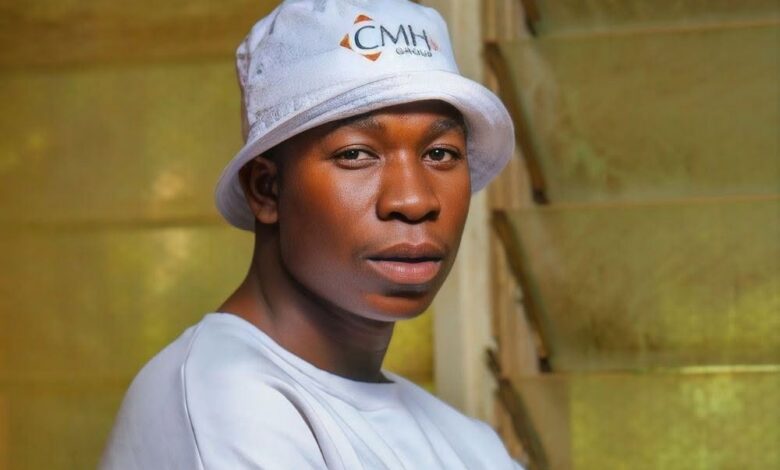
The 9th Bulawayo Arts Awards (BAA) nominations have reignited debate within Bulawayo’s hip-hop community, exposing longstanding disagreements over recognition, judging standards and the representation of local rap talent. At the centre of the controversy is Tsholotsho-born rapper, songwriter and producer Preside Sympathy Ndlovu, popularly known as Cubiccky, who has announced that he will no longer submit his music for future editions of the awards. His decision follows four consecutive years of missing out on nominations despite his continued efforts and support from fans who believe his work deserves recognition. The musician expressed his disappointment in an emotional social media statement that quickly attracted attention across local music circles. His announcement has once again raised questions about how the Bulawayo Arts Awards identify, evaluate and recognise talent within the city’s growing hip-hop scene.
Cubiccky’s frustration reflects the emotional investment that independent musicians make in their careers and the importance they attach to recognition from established industry platforms. In his statement, the rapper explained that he had spent four years putting his heart, time and energy into his music while hoping to secure a place among the nominees. He also revealed that more than 300 people had sent him screenshots showing that they had nominated him for this year’s awards. Despite this apparent support, his name did not appear on the final shortlist. The experience left him questioning whether his artistic contribution was being recognised by the people responsible for selecting nominees.
“For 4 years straight, I have tried. I have poured my HEART, my TIME, my SOUL into my ART and my MUSIC,” Cubiccky wrote. He went on to question whether his music was considered good enough for recognition on the awards platform. His comments reflected disappointment rather than a simple disagreement over missing out on a trophy. The rapper nevertheless congratulated the artists who made the shortlist, showing that his frustration was directed at his own experience rather than the achievements of those selected. He ended his announcement with a defiant message, declaring that he would no longer put himself through the annual nomination process and would instead concentrate on his listeners with the words, “LET ME COOK.”
Cubiccky’s decision has brought renewed attention to a recurring issue within Bulawayo’s hip-hop community, where disagreements over award nominations and genre representation have surfaced in previous years. Independent rappers have often questioned whether the selection processes adequately reflect the quality and diversity of music being produced in the city. Some artists believe that the final lists do not always capture the work of musicians who have built strong followings through independent releases and grassroots engagement. Others have raised concerns about how judges interpret different hip-hop styles when selecting nominees. These disagreements suggest that the current controversy is part of a wider conversation about recognition and fairness within the local music industry.
One of the recurring concerns has been the classification of artists into particular award categories. In previous editions, sections of the hip-hop community criticised what they viewed as inappropriate genre placements, particularly when crossover or non-hip-hop acts appeared in rap categories. Manager Langa “Mabotso” Ndimande, who represents artist Briza, previously expressed strong dissatisfaction with the selection process. He argued that placing artists who did not adequately represent hip-hop within rap categories showed a lack of understanding and respect for the genre. Such criticism highlights the importance of having judges who understand the different sounds, styles and creative traditions that make up contemporary hip-hop.
Outspoken rapper Boy Nino has also contributed to the debate by raising concerns about quality control and genre representation. He has questioned whether open nomination processes without sufficiently strict evaluation standards can produce shortlists that accurately represent Bulawayo’s musical talent. His criticism has extended beyond the organisers to include fellow artists and the wider hip-hop community. Nino believes that supporting local awards should not mean accepting every decision without questioning the standards used to select nominees. His position has sometimes created disagreements with established figures who favour stronger public support for local award platforms.
Even established artists have experienced disagreements with award selection processes. Award-winning rapper Asaph Afrika has publicly supported this year’s shortlist, describing it as well researched and a good reflection of the genre. However, he has also expressed frustration in previous award editions when he was overlooked by adjudicators. His experiences demonstrate that concerns about nominations are not limited to emerging musicians or independent performers. Even artists with established reputations and previous recognition can question decisions made by award panels. This suggests that the debate involves broader questions about consistency, transparency and the criteria used to determine artistic excellence.
The organisers’ position on the nomination process provides another important dimension to the controversy. Bulawayo Arts Awards spokesperson Nkululeko Nkala has previously explained that the awards operate through an open-submission system. Under this arrangement, artists or their representatives must formally submit their entries within the designated nomination period to qualify for consideration. The organisers maintain that popularity, radio airplay or public recognition cannot replace the formal submission requirements. This means that even musicians with strong community support may miss out if they fail to complete the required administrative process. The system places responsibility on artists and their management teams to ensure that their work reaches the adjudicators through the correct channels.
However, some musicians believe that this approach places too much emphasis on administrative procedures and not enough on active industry research. They argue that award organisers should make additional efforts to identify outstanding work rather than depending heavily on artists to submit their own entries. From their perspective, a musician’s contribution to the local music scene should not go unnoticed simply because of a missed application or limited access to the nomination process. There are also concerns that independent artists may lack the resources needed to manage submissions, promotional activities and other administrative demands. This creates a possible gap between musicians who have established management structures and those who operate largely on their own.
The situation is particularly relevant to artists working outside major urban centres or established entertainment networks. Cubiccky comes from Tsholotsho, and his experience highlights the challenges that musicians from rural and township communities may face when seeking wider industry recognition. Building an audience through local performances, digital releases and personal engagement requires considerable effort. However, that support does not always translate into visibility within formal award structures. Independent musicians may also struggle to maintain the professional networks and resources needed to participate consistently in industry nomination processes. The debate therefore raises questions about how award platforms can become more accessible to talented artists from different backgrounds and locations.
Another important issue is the difference between fan nominations and final adjudication. The fact that Cubiccky received more than 300 nomination screenshots suggests that a section of his audience actively wanted to see him recognised. However, public nominations do not necessarily guarantee a place on the final shortlist, particularly where judges apply additional eligibility requirements or evaluation criteria. This distinction can create frustration when fans believe their preferred artists have received sufficient support but still fail to appear among the nominees. Clear communication about how public nominations influence the final selection could help reduce misunderstandings. Greater transparency could also strengthen public confidence in the awards and encourage more artists to participate.
The Outstanding Hip Hop category at the 9th Bulawayo Arts Awards features Mlue Jay, Boy Nino, Kereng, Terry Tempo and Noluntu J. The nominated artists represent the talent and creative activity within Bulawayo’s hip-hop community. Their inclusion provides an opportunity to celebrate the musicians whose work has received recognition during the current awards cycle. The eventual winner will earn an important accolade within the city’s entertainment industry. However, the discussion surrounding the shortlist shows that the significance of this year’s awards extends beyond the competition itself.
For Bulawayo’s hip-hop scene, the controversy presents an opportunity to examine how the industry can improve its systems while continuing to celebrate local achievements. Award organisers could benefit from clearer communication about eligibility requirements, submission deadlines and judging criteria. They could also consider ways of improving outreach to independent artists and musicians based outside the city centre. Such measures would not necessarily remove disagreements, since artistic judgment will always involve different opinions. However, they could help ensure that more musicians understand the process and feel that their work has received fair consideration.
Artists also have a role to play in strengthening the local music industry. Maintaining organised music catalogues, documenting releases and meeting nomination deadlines can help independent musicians navigate formal award systems more effectively. Building relationships with promoters, managers, media platforms and other industry professionals can also improve their access to opportunities. At the same time, musicians should be able to question decisions and demand professional standards without being viewed as opponents of the industry. Constructive criticism can encourage award organisers to improve their processes and create stronger platforms for recognising local talent.
Cubiccky’s announcement that he will withdraw from future Bulawayo Arts Awards submissions may therefore have implications beyond his personal career decisions. His experience has given other independent artists an opportunity to reflect on the relationship between artistic recognition and formal industry platforms. It has also reminded audiences that a musician’s value cannot be measured exclusively by trophies or nomination lists. Artists can continue building successful careers through consistent releases, live performances and strong relationships with their listeners. Cubiccky’s decision to concentrate on his audience suggests that he intends to prioritise his creative work rather than allow repeated disappointment to determine his direction.
The wider reaction also demonstrates how deeply people care about the future of Bulawayo hip-hop. Fans are willing to defend their favourite musicians, while artists and industry figures continue to debate the standards needed to maintain a credible awards system. These conversations may sometimes become emotional, but they reflect a community that wants its music to receive meaningful recognition. The challenge is to turn that energy into practical improvements that benefit both established performers and emerging voices. A stronger relationship between artists, fans and award organisers could help create a more inclusive environment for the city’s creative talent.
The 9th Bulawayo Arts Awards controversy has once again shown that recognising artistic excellence involves more than announcing a list of nominees. Cubiccky’s four-year experience and subsequent withdrawal have brought important questions about fairness, accessibility, genre representation and judging standards into the spotlight. While the nominated artists deserve recognition for their achievements, the concerns raised by independent musicians also deserve serious consideration. Bulawayo has a vibrant hip-hop culture with artists working across different styles, communities and creative platforms. Ensuring that its award systems reflect that diversity will be important for the continued growth of the industry.
Ultimately, Cubiccky’s decision to step away from future submissions does not mean that his musical journey has come to an end. His message, “LET ME COOK,” suggests a determination to continue creating music and connecting directly with the people who support his work. The debate surrounding the Bulawayo Arts Awards should encourage the industry to examine how it recognises talent while maintaining fair and transparent standards. Awards remain valuable because they celebrate achievement, but they should never become the only measure of an artist’s contribution. Bulawayo hip-hop has the talent, audience and creative energy to keep growing, and its future will depend on building systems that recognise and support that potential.