Midlands State University Wins Nelson Mandela World Human Rights Moot Court Competition for Second Consecutive Year
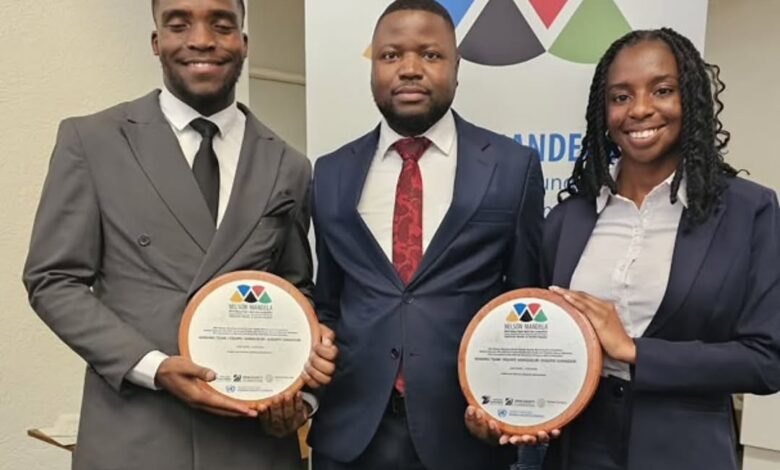
Midlands State University (MSU) has achieved another major international success after winning the 18th Nelson Mandela World Human Rights Moot Court Competition for the second consecutive year. The prestigious finals were held in Geneva, Switzerland, where the MSU Faculty of Law team defeated Strathmore University of Kenya to secure the championship. Zimbabwean students Prince Tinokunda Mafigu and Ruth Fadzai Jokonya represented MSU in the competition under the guidance of coach Claudios Makwara. Their victory adds to the university’s growing reputation for producing law students capable of competing at the highest international level. It also places Zimbabwean legal education firmly in the spotlight on a global platform dedicated to human rights and legal advocacy.
The MSU team faced a highly experienced opponent in the final, with Strathmore University having previously won the competition twice. The Kenyan institution entered the final with a strong record and considerable experience in the Nelson Mandela World Human Rights Moot Court Competition. MSU’s ability to overcome such an established competitor demonstrates the preparation, legal knowledge and advocacy skills displayed by Mafigu and Jokonya throughout the tournament. Their performance also reflects the important role played by their coach, Claudios Makwara, in preparing the students for the demanding international competition. Winning against a former two-time champion makes MSU’s second consecutive title particularly significant.
The back-to-back victory represents a major achievement for the MSU Faculty of Law and Zimbabwe’s wider legal education sector. International moot court competitions require students to combine detailed legal research with strong written submissions, oral advocacy and the ability to respond effectively to complex legal arguments. Participants must understand international human rights law while also presenting their arguments clearly and persuasively before experienced judges and legal practitioners. MSU’s continued success suggests that its students are developing these skills to a high standard. The university’s performance in Geneva also provides a strong example of how Zimbabwean institutions can compete successfully against universities from around the world.
The Nelson Mandela World Human Rights Moot Court Competition is particularly important because it focuses on international human rights law and gives law students an opportunity to engage with issues that affect people and communities across different jurisdictions. The competition provides a demanding environment in which students can test their understanding of legal principles and develop practical advocacy skills. It also creates opportunities for future lawyers to interact with students, academics and legal professionals from different countries. For participants, reaching the international final stage can provide valuable experience that extends beyond the classroom. MSU’s consecutive victories show that its Faculty of Law students have been able to translate their academic preparation into strong performance in an international legal setting.
The scale of the 18th edition further underlines the importance of MSU’s achievement. A total of 122 teams from around the world participated in the competition, while only 24 teams advanced to the final stage in Geneva. Reaching the final stage therefore required the MSU team to progress through a highly competitive field before competing against some of the strongest university teams in the world. Winning the competition after reaching that stage demonstrates consistency, discipline and the ability to perform under considerable pressure. The achievement also gives Zimbabwe increased visibility within international legal education circles. For the students involved, it represents an important academic and professional milestone that could contribute to their future careers in law.
According to MSU coach Claudios Makwara, only a small number of African teams have won the Nelson Mandela World Human Rights Moot Court Competition. MSU’s latest triumph now places the Zimbabwean university among that select group of African institutions that have achieved success in the prestigious competition. The back-to-back victories make the accomplishment even more notable because the university has demonstrated that its previous success was not an isolated result. Instead, MSU has maintained a level of preparation and performance capable of producing another championship-winning team. This consistency could strengthen the university’s position as an increasingly recognised centre for legal education and human rights advocacy in Zimbabwe and across Africa.
The success of Prince Tinokunda Mafigu and Ruth Fadzai Jokonya also highlights the opportunities that international moot court competitions can create for law students. Such competitions allow students to move beyond theoretical study and apply legal principles to complex hypothetical disputes. They also require participants to work closely as a team, manage demanding research schedules and develop confidence in presenting arguments before panels of judges. These experiences can help prepare students for professional legal practice, where research, communication, analysis and advocacy are essential skills. Mafigu and Jokonya’s performance in Geneva demonstrates the value of combining academic knowledge with practical courtroom-style training.
For Midlands State University, the victory adds to the institution’s broader academic profile and demonstrates the strength of its Faculty of Law. Universities increasingly compete not only through academic programmes but also through research achievements, professional partnerships and student performance in international competitions. Success at an event of this scale provides tangible evidence of the quality of training being offered to law students. It can also inspire current students and future applicants to view international legal competitions as achievable opportunities. The achievement may further encourage the university to continue investing in legal research, advocacy training and programmes focused on international human rights law.
The victory also carries significance for Zimbabwe at a time when the country’s universities continue to seek greater recognition on international academic platforms. When students from a Zimbabwean university defeat established institutions from other countries, their success challenges perceptions about the competitiveness of legal education in the country. The achievement demonstrates that Zimbabwean students can develop the specialist knowledge and advocacy skills required to succeed in demanding international environments. It also provides a platform for showcasing Zimbabwean academic talent beyond the country’s borders. MSU’s consecutive championships therefore represent both an institutional accomplishment and a source of national pride.
The role of coaches and academic mentors should also not be overlooked in the achievement. Successful moot court teams depend on extensive preparation, including legal research, drafting, practice arguments, feedback sessions and detailed analysis of opposing positions. Claudios Makwara’s role in coaching the MSU team would have been central to helping the students refine their arguments and prepare for the intensity of the international competition. The achievement reflects the combined efforts of the students, their coach, Faculty of Law academics and the wider university community. Sustaining this level of success will require continued support for students who want to participate in international legal competitions.
MSU’s second consecutive Nelson Mandela World Human Rights Moot Court Competition title sets an important benchmark for future teams at the university. The achievement gives upcoming law students a clear example of what can be accomplished through preparation, teamwork and commitment to academic excellence. It also raises expectations for the university as future teams enter international competitions against experienced institutions from across the world. Rather than resting on its previous success, MSU will now have an opportunity to build on the momentum created by consecutive championship victories. Continued investment in moot court training could help the institution maintain its competitive position and develop another generation of strong legal advocates.
The 18th Nelson Mandela World Human Rights Moot Court Competition has ultimately provided another powerful demonstration of the talent emerging from Zimbabwean legal education. With 122 teams entering the competition and only 24 reaching the final stage in Geneva, MSU’s victory represents a significant achievement on a highly competitive international platform. Prince Tinokunda Mafigu and Ruth Fadzai Jokonya have earned recognition for their advocacy while coach Claudios Makwara has helped guide another successful MSU team. Defeating former two-time champions Strathmore University makes the result even more impressive. By winning the title for the second consecutive year, Midlands State University has strengthened its international reputation and shown that Zimbabwe has a growing presence in global human rights legal education.