Makhadzi’s Harare Performance Sparks Debate as Mai TT and Madam Boss Clash Over Cheso Power Festival
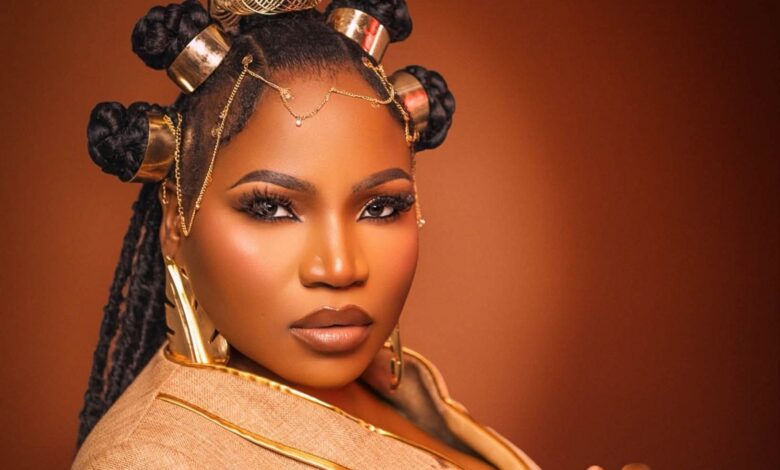
South African music star Makhadzi has become the center of a growing controversy ahead of her scheduled appearance at Alick Macheso’s Cheso Power Festival in Harare later this month. While the award-winning performer has built a strong fan base across Zimbabwe through years of successful performances, her planned appearance has now become the subject of heated public debate. The discussion extends beyond music and has drawn attention to the ongoing tensions surrounding xenophobia, cross-border relations and the influence of social media personalities. At the same time, many observers believe the controversy is no longer just about Makhadzi herself but has evolved into another chapter in the highly publicized rivalry between Zimbabwean influencers Mai TT and Madam Boss. As opinions continue to flood social media, the planned performance has become one of the most talked-about entertainment stories in Zimbabwe.
The Cheso Power Festival is being organized by Chipaz Promotions in partnership with Alick Macheso’s management and is expected to attract thousands of music fans. Makhadzi has been announced as one of the headline performers, while popular Zimbabwean social media personality Madam Boss is expected to participate as one of the event’s influencers. The festival has generated significant excitement because it brings together local and international entertainment figures on one stage. However, the anticipation has been overshadowed by growing calls from some quarters for Makhadzi’s performance to be cancelled. The controversy has placed organizers under increased public scrutiny as they prepare for one of the country’s biggest music events.
Mai TT has emerged as one of the strongest voices opposing Makhadzi’s appearance at the festival. Through her Facebook page, she criticized Zimbabwean promoters for putting financial interests ahead of solidarity with Zimbabweans affected by xenophobic attacks and immigration tensions in South Africa. She argued that promoters should prioritize standing with ordinary citizens during difficult times instead of focusing on ticket sales and entertainment events. According to Mai TT, Makhadzi should not perform in Harare until Zimbabweans facing challenges in South Africa are able to return home safely. Her comments quickly attracted widespread reactions, with supporters praising her stance while critics questioned whether preventing a musician from performing would address the broader issues she raised.
Mai TT also expressed frustration over what she described as a lack of unity among Zimbabweans. She questioned why some Zimbabweans were willing to welcome South African entertainers while many Zimbabweans continued to face hardships across the border. In her view, inviting Makhadzi to perform would send the wrong message during a period of strained relations between citizens of the two countries. She further argued that allowing the concert to proceed would not contribute to ending xenophobia or improving the treatment of Zimbabweans living in South Africa. Her passionate statements have fueled an already emotional discussion that extends far beyond the entertainment industry.
On the other side of the debate is Madam Boss, who has openly supported Makhadzi’s participation in the Cheso Power Festival. As one of the event’s official influencers, she has encouraged fans to embrace the performance and celebrate music as a platform that unites people rather than divides them. Her support for the South African singer has led some observers to believe that the disagreement is also influenced by the long-running rivalry between the two Zimbabwean social media personalities. According to sources familiar with the situation, Mai TT is fully aware of Madam Boss’ prominent role in promoting the festival and believes the event will further increase her visibility. These claims have prompted speculation that personal differences may be contributing to the public disagreement surrounding Makhadzi’s visit.
A source close to the matter suggested that the conflict may have less to do with the artist herself and more to do with the competition between two influential public figures. According to the source, Madam Boss stands to receive significant public attention through her involvement with the festival, something that has become another point of contention in her ongoing feud with Mai TT. The source also pointed out that Zimbabwe has welcomed Makhadzi on several previous occasions and that she has developed a close relationship with local audiences over the years. Many fans now regard her as a familiar face within Zimbabwe’s entertainment scene rather than simply a visiting international artist. This perspective has strengthened arguments from those who believe she should not become caught in disputes unrelated to her music.
The controversy has also reopened broader conversations about the relationship between politics, social activism and entertainment. Some people believe artists should avoid becoming symbols in political disagreements, especially when they have no direct involvement in the issues being debated. Others argue that celebrities have a responsibility to show solidarity during times of social tension, even if it means cancelling performances or postponing events. These competing viewpoints have divided public opinion, with many Zimbabweans and South Africans expressing passionate arguments across social media platforms. The debate illustrates how quickly entertainment events can become intertwined with larger national and regional conversations.
As the Cheso Power Festival approaches, it remains unclear whether the public controversy will have any impact on Makhadzi’s scheduled performance. Organizers continue preparing for the event while supporters and critics closely watch developments. Regardless of the final outcome, the discussion has highlighted the complex intersection of music, social media influence and regional politics. Whether the controversy is truly about Makhadzi or reflects the continuing rivalry between Mai TT and Madam Boss, it has captured widespread public attention across Southern Africa. The situation serves as another reminder that today’s entertainment industry often extends beyond music itself, with artists, influencers and public figures increasingly finding themselves at the center of wider social and political debates.