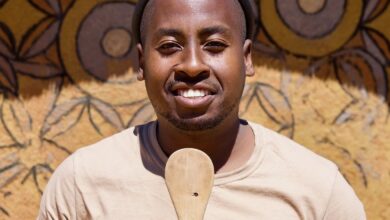
Kuda Chakwanda, Mthabisi Phili and Kuda Baskwa Share a Bold Visual Dialogue on Identity and Change

At Loft 3 Gallery, nestled in the quiet surrounds of Hunters Moon Estate in Highlands, Harare, three artists came together for an exhibition that doesn’t just showcase art—it invites conversation. Kuda Chakwanda, Mthabisi Phili, and Kuda Baskwa each brought a distinct voice to the group show What Changes, yet their collective impact lies in how those voices interact. The result is a powerful exploration of Zimbabwean identity, memory, and masculinity through a deeply emotional and layered visual language.
Each artist’s style is unique, but together their works speak of shared concerns—of silence and survival, of history’s lingering weight, and of how people process their lived experiences in a country where change is both constant and elusive.
Mthabisi Phili’s work stands out for its haunting portraits that explore the complexity of expression and recognition. Through his Monsters series, he presents faces that are gagged, faceless, or masked—visual metaphors for the muting of individuals in society. Whether by force, fear, or social pressure, the act of silence becomes a central theme. Yet, in every piece, the eyes remain active and communicative, pulling the viewer into the subject’s emotional state. His major work Legacies offers 24 ghostly portraits that feel like a confrontation with history, with each face capturing a story of endurance and suppressed emotion.
Kuda Baskwa takes a more intimate and reflective route. In pieces like Nasekuru and Naambuya, his portraits of a child with grandparents evoke a deep emotional resonance. The simplicity of his lines and lack of extraneous detail invite the viewer to pause and feel. His work creates space for quiet introspection, where the personal becomes collective. Other pieces, like Ndoita Sei and Zvichaita Chete, depict emotional turning points—moments of despair and hope that many Zimbabweans will recognize. Baskwa’s strength lies in his ability to capture internal conflict with gentleness and empathy.
Kuda Chakwanda, whose style leans into surrealism, infuses his work with cultural references and symbolic power. Drawing influence from artists like Salvador Dalí, Chakwanda reinterprets familiar Zimbabwean sayings and social issues through a dreamlike, often jarring lens. In Ndakambokuudza, a male figure bears visible wounds—missing teeth, a swollen face, and a wooden peg sticking out of his ear, a visual pun on a Shona proverb warning against ignoring wise counsel. His titles—Chiyeuka, Do What’s Right, Hey Big Spender—underscore the urgency of his social commentary. Chakwanda’s approach adds a striking narrative depth, urging viewers to look beyond the literal and confront deeper truths.
Together, Phili, Baskwa, and Chakwanda form a compelling triad of artistic voices. They do not attempt to present a single narrative about Zimbabwean manhood or society; instead, their collective work acknowledges the multiplicity of experience—pain and resilience, silence and speech, memory and transformation. Their pieces move between the deeply personal and the broadly political, offering no easy answers but asking necessary questions.
The exhibition’s title, What Changes, is as much a prompt as it is a reflection. It asks viewers to consider what shifts within themselves as they engage with these works—and what might shift in society when stories are told with this level of honesty and vulnerability.
Phili’s penetrating gazes, Baskwa’s tender figures, and Chakwanda’s surreal visions form a rich and textured narrative that transcends borders. Whether rooted in Bulawayo, Copenhagen, or Harare, these artists are connected by a desire to explore not just what is, but what could be. In doing so, they offer a striking testament to the evolving identity of the Zimbabwean man, told through the unflinching honesty of paint and canvas.